
TPO Roofing
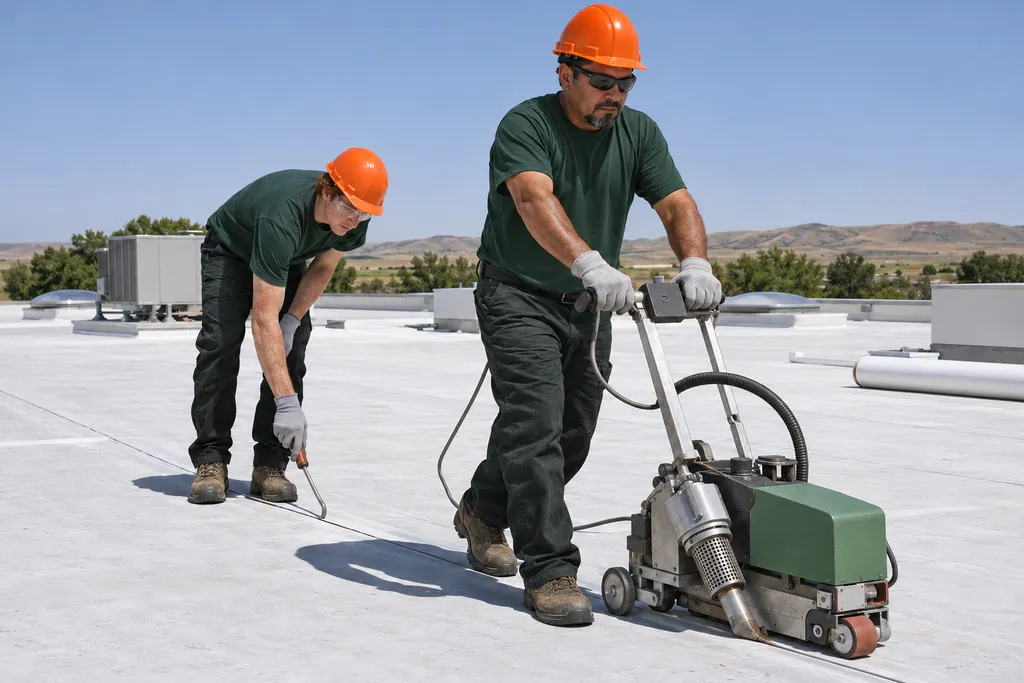
TPO goes on big, flat roofs as a white sheet with heat-welded seams, over new flat or tapered insulation.
Fits warehouses, retail strips, and offices with rooftop units.
North Platte TPO roofing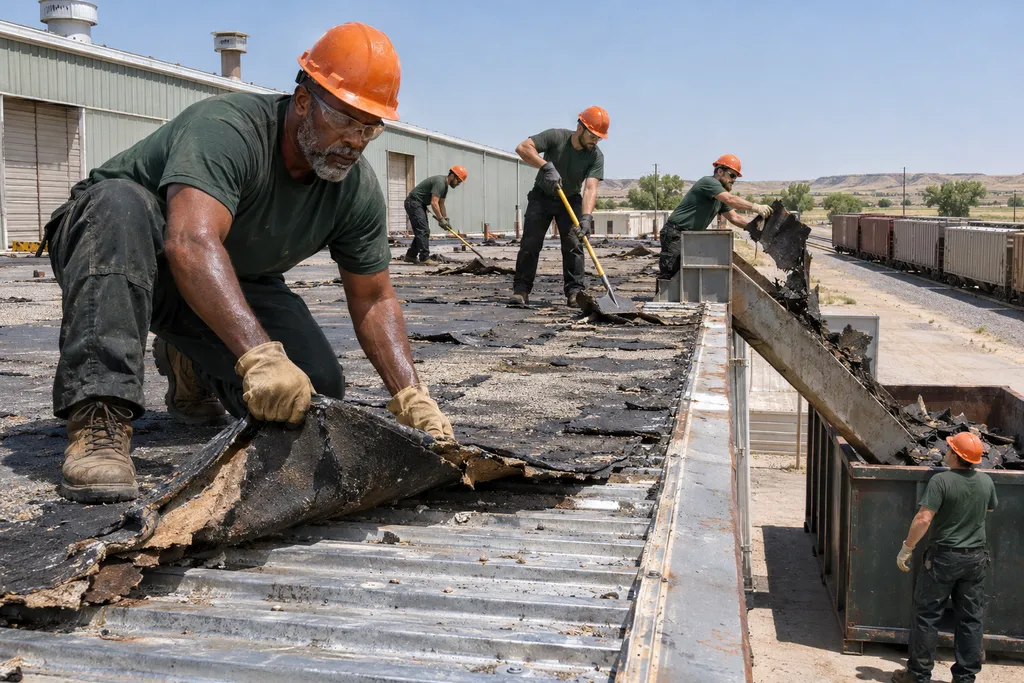
Our commercial roofing services in North Platte cover TPO, EPDM, industrial, and metal roofs, plus full tear-off and replacement.
Each of our commercial roofing services in North Platte starts with a roof walk and core samples, and the system follows from what we find.
TPO goes on big, flat roofs as a white sheet with heat-welded seams, over new flat or tapered insulation.
Fits warehouses, retail strips, and offices with rooftop units.
North Platte TPO roofing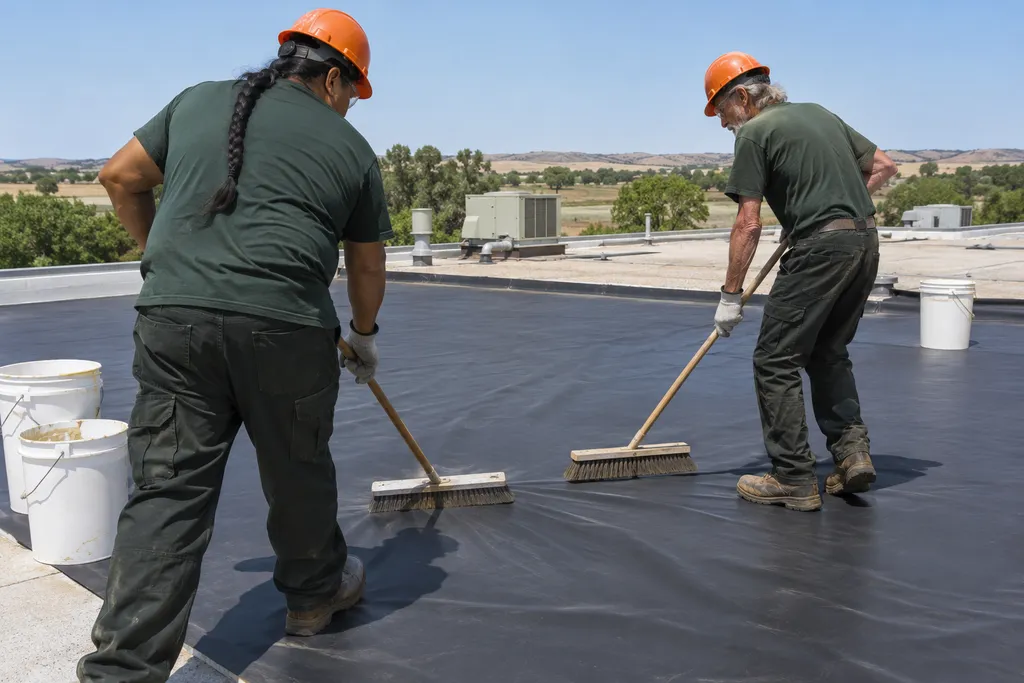
EPDM rubber is glued down or ballasted, with taped seams, and stays flexible through the coldest Nebraska nights.
Fits cold storage, older flat roofs, and buildings with long winter exposure.
North Platte EPDM roofing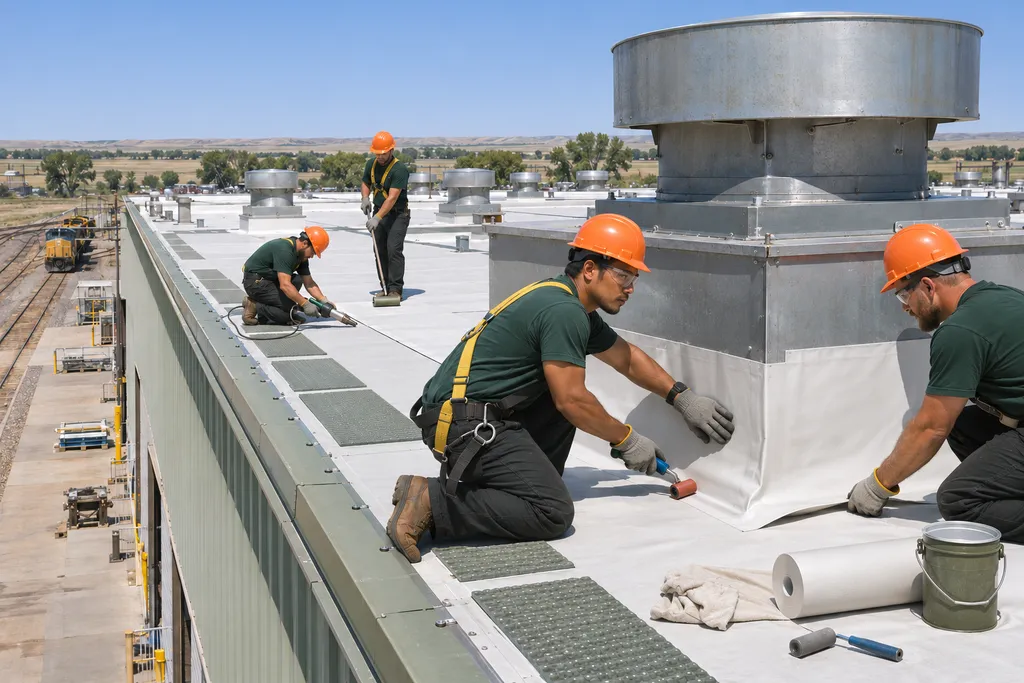
Industrial roofs on plants are matched to the exhaust, equipment loads, and maintenance traffic, then replaced in phases.
Fits manufacturing, processing, and rail-side facilities.
North Platte industrial roofing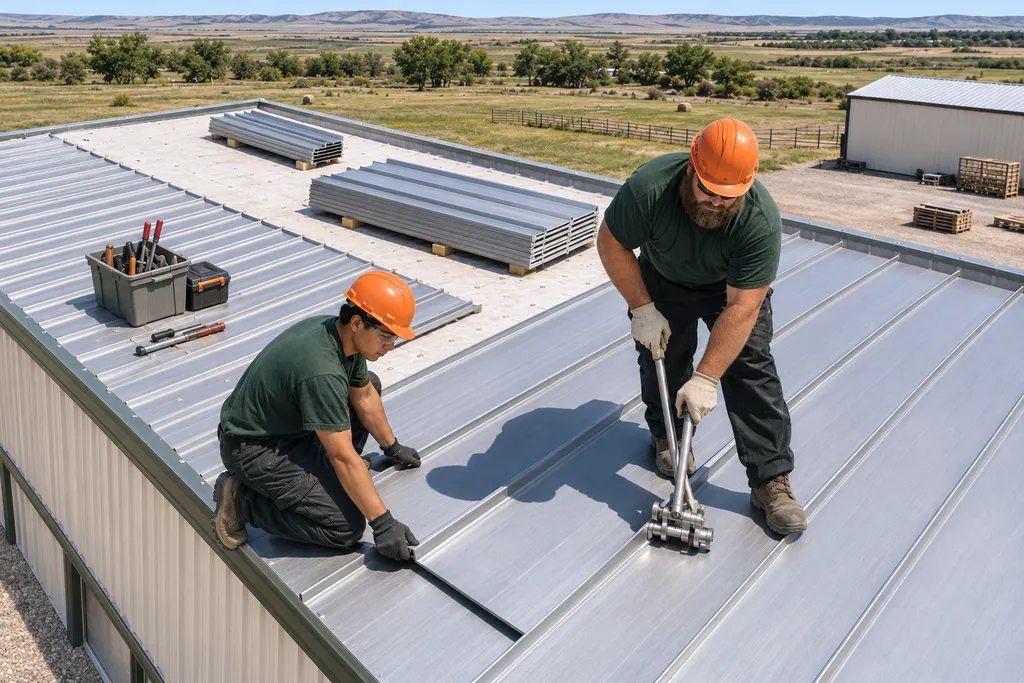
Standing-seam and exposed-fastener panels go on shops, fleet garages, and ag buildings, with trim and snow guards.
Fits pitched steel buildings, machine sheds, and recovers over old roofs.
North Platte commercial metal roofingA side-by-side look at the three commercial roof types most buildings in the area carry.
Book a roof walk and we will tell you which system fits and why.
Schedule Free InspectionWhatever the system, the work moves through the same five stages.
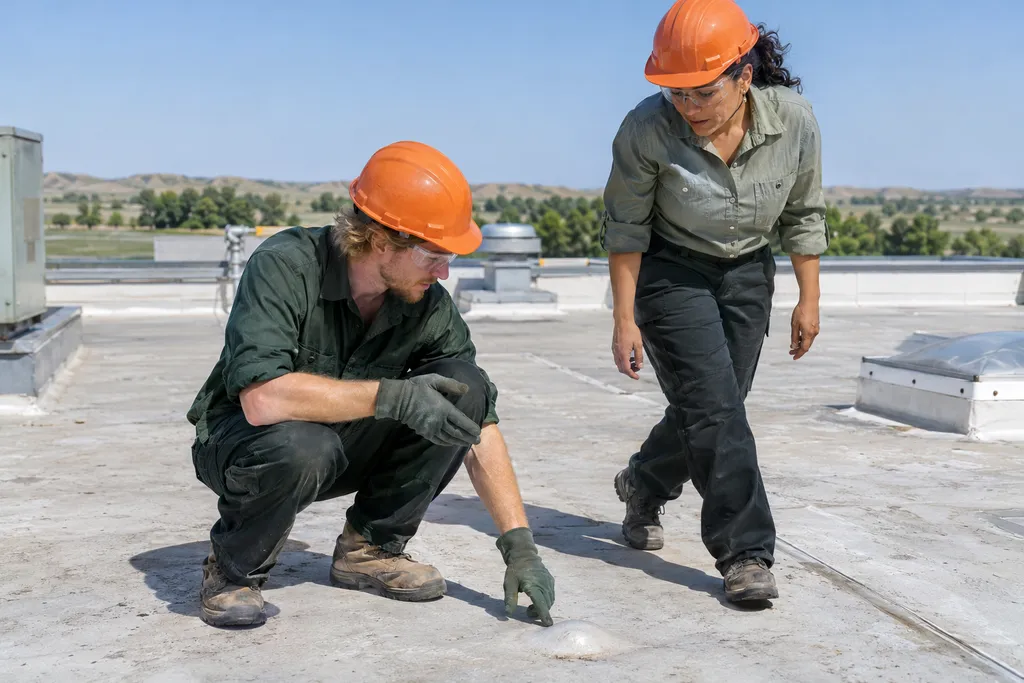
A roof walk covers drains, seams, curbs, edges, and the ceiling inside, with photos of everything we flag.
Core cuts and a moisture meter show how much insulation is wet, which decides between repair, recover, and replacement.
Proposals list system, insulation, tear-off depth, flashing, edge metal, and permit filing, so bids can be compared line by line.
New roofing goes on section by section, with each area sealed watertight at the end of the workday.
We probe seams, check flashings and drains, clear debris, and walk the finished roof with you.
Replacement sits behind every system on this list. When repairs stop holding, insulation is wet across the roof, or the membrane or panels are worn out everywhere, we tear off to the deck and install a new roof.
Core cuts and a moisture survey show how much of the roof is affected. Limited wet areas can be repaired or replaced in part, and a roof that leaks in many places at once is ready to replace.
Nine questions owners ask before scheduling a replacement.
The city code requires a building permit to repair or remodel a commercial building, filed with the Code Enforcement Officer, who reviews it before issuing. Ask that office how a full replacement is classified for your building. We confirm the requirement and pull the permit before tear-off.
It is the 2018 International Building Code, adopted by the city by reference with its energy and elevator chapters left out. Nebraska's state code adopts the same edition. A new roof has to meet that code's roofing, wind, and snow load sections, and city building officials apply it to each project.
When repairs no longer stop the leaks, insulation is wet across large areas, or the membrane or panels are worn everywhere. Core cuts and a moisture survey show how much of the roof is affected. Limited wet areas can be repaired or partly replaced, while leaks in many places at once point to replacement.
Building codes allow a recover over one existing roof in good shape, so a second layer is usually the limit. Two layers already in place, or wet insulation under the top one, means a full tear-off to the deck before new insulation and membrane go down.
A recover skips tear-off labor and dumpster loads, so it usually costs less up front. It only makes sense over a dry roof with one layer, because trapped moisture rots the deck and blisters the new membrane. Core cuts settle which option your roof can take.
Look for the system and its thickness, the insulation type and R-value, tear-off depth, how curbs, drains, and parapets get flashed, the edge metal, the permit, and debris removal. A proposal that lists each item lets you compare bids line by line instead of by total alone.
Yes. A tear-off to the deck lets an old built-up or EPDM roof come back as TPO, or a worn metal roof get new panels with a different profile. Edge metal, curbs, and drains are rebuilt to suit the new system, and the permit lists the change.
Old membrane, insulation, and fasteners go down an enclosed chute into a dumpster at the curb, one section at a time. Metal panels and steel scrap are kept apart where a recycler takes them, and the lot is swept for nails and screws before the trucks leave.
Late spring through fall is the usual window, when adhesives, sealants, and seam welding behave best in mild, dry weather. Winter jobs are possible with cold-rated products, at a slower pace. The National Weather Service notes March is often one of North Platte's snowiest months, so early spring schedules leave room for delays.
Tell us about the building, and we will recommend a system after a roof walk and core samples.